One person has been confirmed dead after a two-storey building under construction collapsed in the Fadeyi area of Lagos State in the early hours of Friday, with several others feared trapped beneath the rubble.
The Lagos State Emergency Management Agency (LASEMA) confirmed the incident in a statement issued on Friday by its Permanent Secretary, Dr Olufemi Oke-Osanyintolu.
According to Oke-Osanyintolu, the agency received a distress call about the collapse at 12:10 a.m., prompting the immediate activation of its Cobra Response Team from its Onipanu Base.
He said the emergency response team arrived at the scene at 12:12 a.m. and discovered that the two-storey building, which was still under construction, had collapsed.
The LASEMA permanent secretary explained that preliminary observations indicated that construction workers might have been trapped beneath the debris, prompting the commencement of search and rescue operations.
He added that emergency responders immediately began efforts to locate and evacuate the victims while implementing safety measures to protect those trapped and personnel involved in the rescue operation.
Oke-Osanyintolu said rescue operations were ongoing as emergency officials worked to determine whether more people remained trapped beneath the rubble.
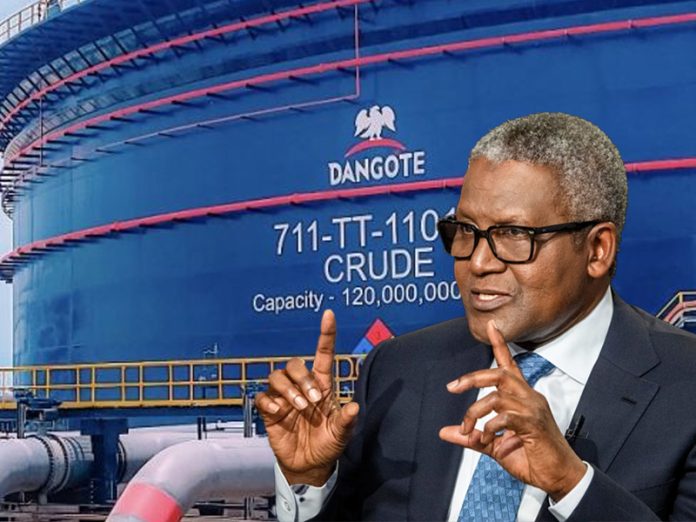
The landing cost of imported petrol has dropped below Dangote Refinery’s gantry price by N66.19 per litre, highlighting a price gap between imported fuel and locally refined petrol.
According to a bulletin released by the Major Energies Marketers Association of Nigeria (MEMAN) on Monday, the landing cost of imported Premium Motor Spirit (PMS), commonly known as petrol, fell to N1,283.81 per litre from N1,292.88.
The latest figure represents a decline of N9.07 per litre.
A comparison of the figures shows that imported petrol is now cheaper than Dangote Refinery’s gantry price of N1,350 per litre by N66.19 per litre.
Meanwhile, depot owners’ ex-depot prices ranged from N1,348 to N1,358 per litre, meaning the landing cost of imported petrol is between N64.19 and N74.19 lower per litre than the prevailing depot prices.
Nigerian Newssphere reports that despite the decline in imported petrol’s landing cost, consumers in Abuja and its environs currently pay between N1,370 and N1,429 per litre at filling stations.
The difference between the landing cost and retail pump prices reflects additional costs and margins that may arise along the supply and distribution chain.
Recall that on October 8, the Minister of Finance, Taiwo Oyedele, proposed a 30-day fuel discount at Nigerian National Petroleum Company Limited (NNPCL) filling stations, with petrol to be sold at N1,350 per litre.
However, Nigerian Newssphere can confirm that, as of the time of reporting, the proposed N1,350-per-litre discount had yet to be implemented at NNPCL filling stations.
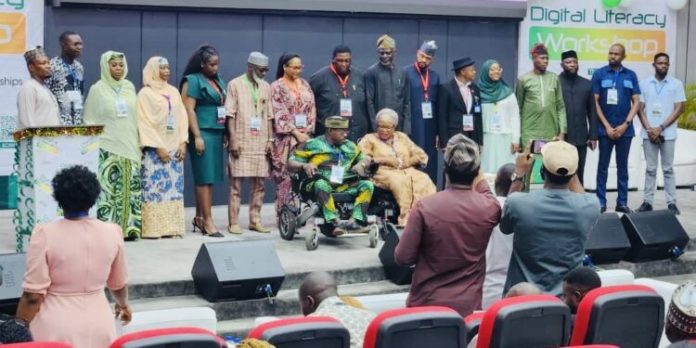
The National Information Technology Development Agency, NITDA says Nigeria is targeting 70 per cent digital literacy by 2027 as part of efforts to achieve 95 per cent digital literacy nationwide by 2030.
The Director-General of NITDA, Kashifu Inuwa Abdullahi, disclosed this at the 2026 Digital Literacy for All, DL4ALL National Stakeholders’ Workshop in Abuja on Tuesday.
According to him, the country has recorded nearly 3 million training achievements, while its broader digital literacy programme aims to reach 50 million Nigerians through formal education, workforce development and informal-sector interventions.
Inuwa, who was represented by the Director of Digital Development Services, Oladejo Olawumi, spoke on the theme, “Measuring Progress, Strengthening Partnerships, Accelerating Impact”.
He said achieving the targets required a coordinated national effort beyond individual training programmes, stressing the need to measure the reach, quality and practical impact of digital literacy interventions across the country.
“Our National Digital Literacy Framework establishes the ambition of achieving 95% digital literacy by 2030. We have also adopted an intermediate target of 70% by 2027. These are ambitious targets. But they represent something more important than percentages. They represent millions of Nigerians whose capacity to learn, work, trade and participate in modern society can be expanded. In 2023, we established the National Digital Literacy Framework to provide common definitions, competencies and standards for digital literacy development”, he stated.
In his special address, the Acting Permanent Secretary of the Federal Ministry of Communications, Innovation and Digital Economy, Adetunji Adeyemi, described digital literacy as a fundamental requirement for participation in the modern economy and society.
In a goodwill message, the Vice-Chancellor of the University of Port Harcourt, Professor Chidi Princewill, represented by Professor Bourdillon Omeje, joined other stakeholders in supporting efforts to expand digital literacy and strengthen institutional collaboration.
The Permanent Secretary of the Sokoto State Ministry of Innovation, Dr Nasir Deniya, also delivered a goodwill message at the workshop, which brought together stakeholders to assess progress, strengthen partnerships and identify practical approaches to expanding digital literacy nationwide.
The Nigerian Communications Commission, NCC has warned manufacturers, importers, distributors and dealers of SIM-enabled devices that products without the required type approval and device verification could be restricted from accessing telecommunications networks in Nigeria.
In a notice issued on Tuesday, the Commission’s Director of Public Affairs, Nnenna Ukoha, said the enforcement measure would be implemented under its automated Type Approval Compliance process. She urged industry stakeholders to ensure that devices imported, distributed or sold in the country meet applicable regulatory requirements.
Ukoha disclosed this in a notice on Monday, reminding stakeholders of their statutory obligations under the Nigerian Communications Act 2003, the Type Approval Regulations 2024 and the Type Approval Business Rules 2024.
She said the Commission was strengthening the monitoring and enforcement of existing regulations through technology-enabled verification to ensure that communications devices entering the Nigerian market meet the required standards.
According to her, all device models intended for importation, assembly, distribution or sale in Nigeria must obtain the required NCC type approval.
She cited Section 132 of the Nigerian Communications Act 2003 and Regulation 4 of the Type Approval Regulations 2024 as the legal basis for the requirement.
The NCC director also said original equipment manufacturers, original device manufacturers, importers and other responsible suppliers must submit the International Mobile Equipment Identity (IMEI) information of individual devices through the approved compliance process for verification before distribution and sale.
She urged distributors, dealers and retailers to verify the compliance status of devices already in their stock and work with their suppliers to resolve any outstanding issues.
Ukoha further stressed that newly imported devices must satisfy the relevant type approval and verification requirements before being introduced into the Nigerian market.
The Commission said it had engaged extensively with manufacturers, importers and relevant industry associations as part of its participatory regulatory approach.
It encouraged businesses that had yet to participate in the engagements or remained uncertain about the compliance process to seek guidance through its approved onboarding and support channels.
According to the NCC, the automated Type Approval Compliance process is designed to strengthen regulatory oversight of devices entering Nigeria and improve the identification of irregularities in their importation and distribution.
The Commission added that the initiative, being implemented in collaboration with the Nigeria Customs Service, would support the reconciliation of import records, compliance with applicable duties and fair competition among businesses.
It said the measure would also help prevent compliant businesses from being disadvantaged by competitors who fail to meet their regulatory obligations.
The NCC warned that, upon full implementation, devices that do not meet the applicable requirements could be restricted from accessing Nigerian mobile telecommunications networks in line with the approved enforcement framework.
The Commission reaffirmed its commitment to working with industry stakeholders to facilitate compliance, protect consumers and promote a fair and sustainable market for communications devices in Nigeria.
Manufacturers, importers and other stakeholders seeking compliance guidance and onboarding assistance were directed to visit www.ncc.gov.ng/DeviceCheckerGuide or call 315 for assistance.
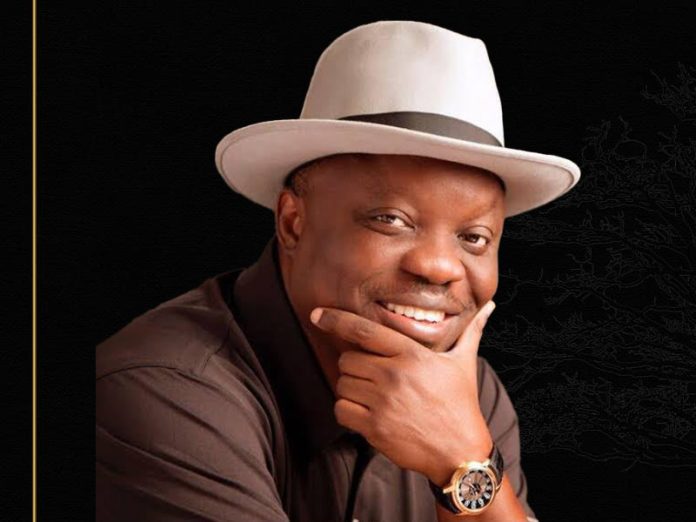
The family of former Delta State Governor, Dr Emmanuel Eweta Uduaghan, has announced his death without disclosing the specific illness that led to his demise.
Uduaghan died on the morning of Monday, October 19, 2026, at the age of 71, after a brief illness.
The family announced his death in a statement signed by Toju Andre Uduaghan on Monday.
In the statement titled, “Announcement of the Passing of His Excellency, Dr Chief Emmanuel Eweta Uduaghan,” the family expressed grief over the loss of the former governor but did not provide further details about his illness.
The statement read, “It is with hearts weighed down by immeasurable grief and profound sorrow that we announce the passing to glory of our beloved Father, Brother, Uncle, and Patriarch, His Excellency, Dr Chief Emmanuel Eweta Uduaghan, former Governor of Delta State, who departed this world on the morning of 19th October 2026.”
The family described his death as a devastating loss, noting that his life and service had touched many people across Delta State and Nigeria.
Uduaghan served as Delta State Commissioner for Health from 1999 to 2003 and Secretary to the State Government from 2003 to 2007 before becoming governor in 2007.
He governed the state for eight years, leaving office in 2015 after serving two terms.
According to the family, his years in public service were marked by a commitment to the human and infrastructural development of Delta State.
The family also prayed for the repose of his soul and comfort for relatives, friends, associates, former colleagues and others mourning his death.
“We are grateful to Almighty God for his life, his service, and the legacy he leaves behind,” the statement added.
DAILY POST reports that Uduaghan’s death marks the end of a political career that included key roles in the Delta State Government and two terms as governor.
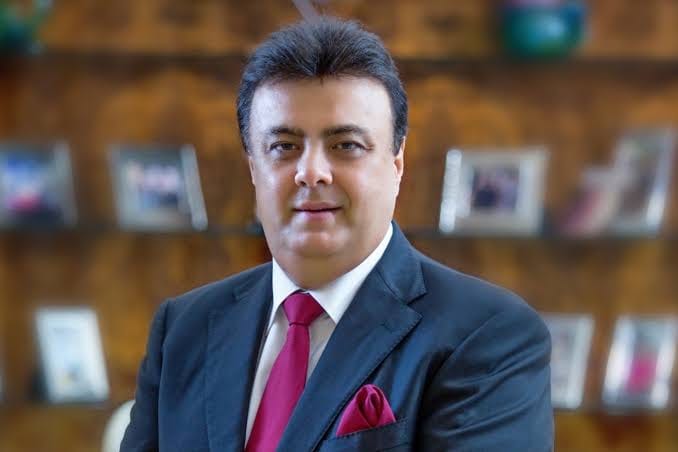
United Bank for Africa, UBA Plc has secured a court ruling in its three-year effort to recover funds it says Stallion Group owes. The Federal High Court upheld the bank’s receiver-manager appointment, its mortgage security and the liability of the guarantors.
Justice Daniel Osiagor of the Federal High Court in Ikoyi, Lagos, resolved all issues in UBA’s favour and granted all the reliefs sought, according to a report by MoneyCentral on the judgment delivered by the court.
The court confirmed Romeo Ese Michael as receiver-manager, with the authority to take possession of the mortgaged property and seek protective orders.
It also restrained the defendants from diverting payments owed to them by government agencies, thereby reinforcing the bank’s ability to protect its recovery interests.
The court held that the defendants did not dispute their indebtedness but contested the amount owed. It further ruled that the reconciliation of accounts did not extinguish the debt.
The court also dismissed objections raised by the 12th defendant, Barbedos Ventures Limited, holding that it had failed to establish any proprietary rights over the mortgaged property. Consequently, its consent was not required for the creation of the mortgage, and its objections were rejected.
When UBA filed the suit in October 2023, it claimed that ₦156.03 billion was owed to the bank. Stallion Group has described the claim as “entirely false.” However, the court’s written judgment and Stallion Group’s response to the ruling were not immediately available.
The case began when Justice Akintayo Aluko granted UBA orders to take over the assets of Stallion Nigeria Ltd. and its affiliates in Lagos, Port Harcourt and Kano, and to freeze their funds across Nigerian banks. The defendants’ attempts to lift the orders failed in December 2023.
The defendants include Von Automobile Nigeria, Stallion Motors, The Honda Place and director Sunil Vaswani.
The ruling reinforces a principle Nigerian lenders rely on: disputing the amount owed does not, in itself, prevent a creditor from enforcing its security. UBA is using the same receiver-manager to pursue N61.45 billion linked to Western Metal Products Co.
The decision represents a significant victory for UBA, with the court resolving all issues in the bank’s favour and granting the reliefs sought.
The ruling is particularly significant for the enforcement of creditors’ rights in Nigeria, underscoring the legal validity of properly constituted security arrangements and the authority of duly appointed receivers to protect and enforce creditors’ interests.
The judgment marks a major milestone in UBA’s efforts to recover its exposure to Stallion Group and safeguard the interests of the bank and its stakeholders.
Key highlights of the judgment
The Federal High Court in Ikoyi affirmed its jurisdiction to hear the case.
The judgment was delivered by Justice Daniel Osiagor of Court 6 of the Federal High Court, Ikoyi, Lagos.
The defendants did not dispute their indebtedness but contested the amount owed.
The guarantors were held liable.
The appointment of the receiver-manager was upheld as valid.
The receiver-manager’s right to take possession of the mortgaged property was affirmed.
The receiver-manager was held entitled to seek protective orders.
The court held that the reconciliation exercise did not extinguish the indebtedness.
The objection raised by the 12th defendant was dismissed because it failed to establish any proprietary rights over the mortgaged property. Its consent was therefore not required for the mortgage.
The defendants were restrained from diverting receivables due to them from government agencies.
The Court of Appeal has reduced the prison sentence of Biafran separatist leader and activist Simon Ekpa from six years to four years.
Finnish newspaper Yle disclosed this in a report on Thursday.
However, the Court of Appeal upheld the decision of the Päijät-Häme District Court, which found Ekpa guilty of terrorism-related charges last year.
The charges were related to Ekpa’s alleged activities aimed at re-establishing an independent state of Biafra in southeastern Nigeria.
Recall that in its verdict, the district court said Ekpa had used his significant social media following to stoke tensions in the region between August 2021 and November 2024.
Ekpa subsequently appealed the ruling, seeking to have his conviction and sentence overturned.
In a ruling that offered some relief to Ekpa, the Court of Appeal found him guilty of the same offences but reduced his prison term after considering the circumstances surrounding his actions. The court noted that the situation in the Biafran region closely resembled, but did not meet the definition of, a civil war.
Ekpa had told the court that his involvement was not motivated by terrorist intent, citing the political turmoil in the Biafran region.
The prosecutor in the case had also appealed the district court’s decision, arguing that the prison sentence did not reflect the seriousness of Ekpa’s offences.
Concerns have emerged over alleged ethnic imbalance in the leadership of sensitive departments of the Independent National Electoral Commission (INEC), following reports that seven Yoruba persons from the South-West are heading key units of the electoral body ahead of the 2027 general elections.
The reported departments include Information and Communication Technology (ICT), Procurement, Planning and Monitoring, Litigation and Prosecution, Commission Secretariat, Voter Register and Audit.
According to the reports, the departments are headed by directors from the South-West, while the South-South, South-East, North-Central, North-West and North-East geopolitical zones reportedly have one director each.
The development has triggered calls for transparency and raised questions about INEC’s impartiality, credibility and compliance with the federal character principle as the country prepares for the 2027 general elections.
Some opposition figures have also expressed concerns that the alleged imbalance could undermine public confidence in the electoral process, with claims that it might create room for manipulation of election outcomes.
Reacting to the reports, Nigerian businessman and social commentator, Prince Isaac Fayose, questioned whether INEC had become an institution dominated by a particular ethnic group.
In a post on his official Facebook page, Fayose called on the commission to urgently address the allegations to protect its reputation and public acceptance.
He said: “While I’m not insinuating anything beyond what any reasonable Nigerian would insinuate under the circumstance, is it proper, fair, safe and acceptable that individuals from a particular geopolitical zone and tribe have complete control of unarguably the most sensitive departments of INEC during a general election?
“INEC needs to clearly, urgently, publicly and transparently address this issue – if it wants to be seen as truly independent, impartial and uncompromised.
“Politicians should not try to achieve through the back door what they have not earned and can’t achieve through the front door – especially using a public institution that is public funded and one supposed to be independent, impartial and above reproach,” he wrote.
Similarly, an X user, Dr Michael Abiodun, said the reported list, if authentic, could raise serious questions about the commission’s structure and its ability to inspire confidence across the country.
“If the viral list is true, then this is not INEC Headquarters structure, this is the Afenifere branch office with the INEC logo,” he wrote.
Abiodun specifically questioned how voters from the South-East and other regions could be assured of the integrity of election results transmitted through INEC’s Result Viewing Portal (IReV) if the ICT, Voter Register and Litigation departments were controlled by officials from one geopolitical zone.
He argued that public confidence in elections depends not only on the actual counting of votes but also on the perception that the process is fair and transparent.
However, Abiodun cautioned against accepting the circulating list without verification, noting that similar claims often emerge during election seasons and may contain outdated information, exaggerations or details about acting directors rather than substantive officeholders.
He urged INEC to publish a comprehensive organisational chart showing the names, states of origin and appointment dates of directors across its departments.
According to him, such disclosure would help establish whether the allegations were accurate and enable the commission to address any genuine concerns about regional representation.
“If the list is false, publishing will kill fake news. If the list is true, then INEC Chairman has 48 hours to correct it in line with Federal Character, because you cannot preach credible election with incredible structure,” he said.
Also reacting, Paul Ibe, media aide to the presidential candidate of the African Democratic Congress (ADC), Atiku Abubakar, called on INEC to provide an immediate explanation of the reported appointments.
Ibe said Nigerians deserved clarity on whether the alleged concentration of sensitive departments in the hands of officials from one geopolitical zone complied with the federal character principle.
“Given INEC’s constitutional responsibility to conduct free, fair and credible elections, Nigerians deserve a transparent explanation of this apparent imbalance and whether the appointments comply with the federal character principle.
“Electoral impartiality must not only be guaranteed; it must also be demonstrably evident,” he wrote on X.
The calls for clarification come as political parties and stakeholders intensify preparations for the 2027 general elections, with growing emphasis on the independence of electoral institutions and public confidence in the voting process.
INEC’s response to the allegations would be crucial in establishing the accuracy of the circulating list and addressing concerns about regional representation within its leadership.
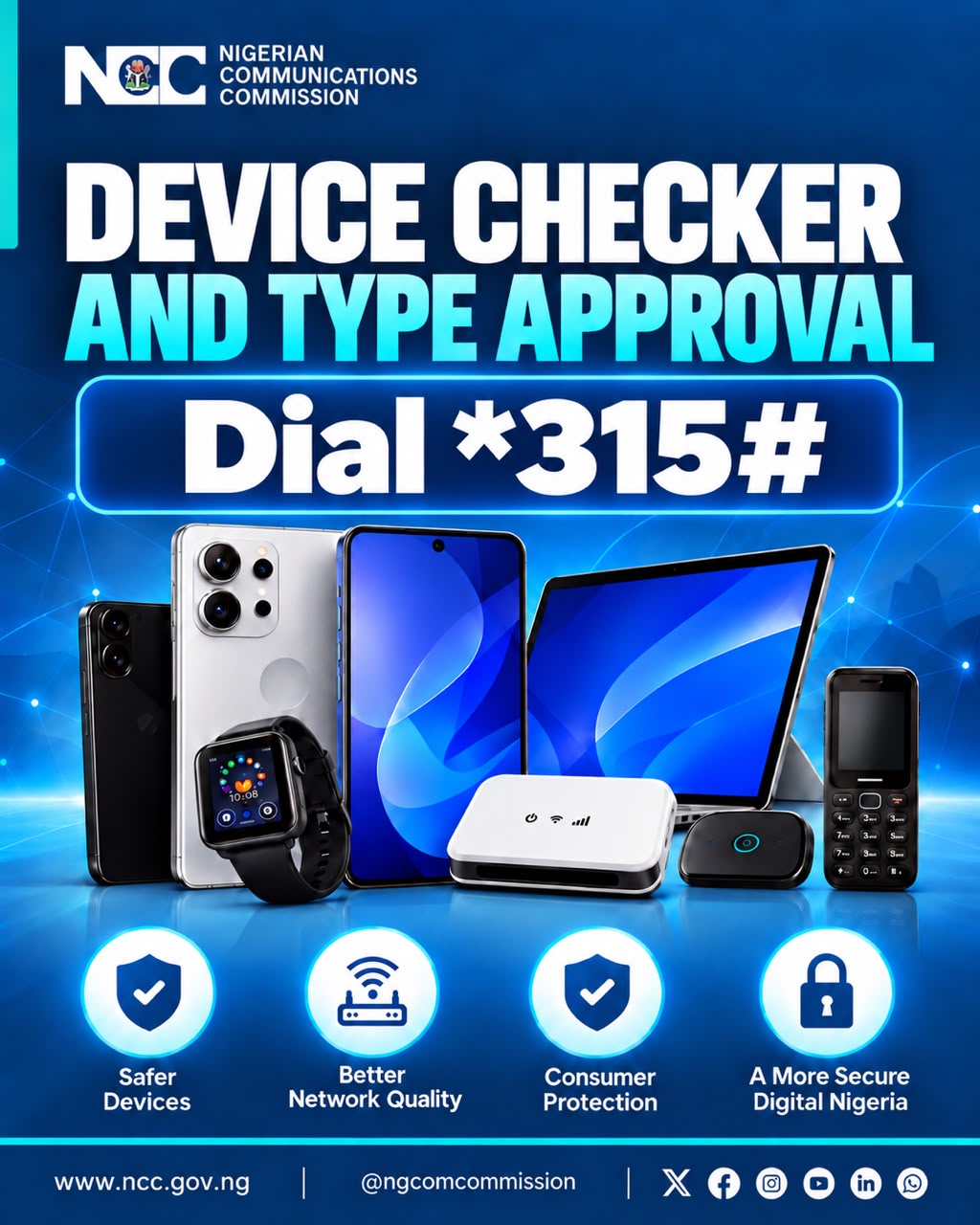
The Nigerian Communications Commission, NCC has intensified enforcement and public awareness efforts against the importation and sale of non-type-approved phones and other communications devices in Nigeria.
The development comes as the Commission held a media sensitisation event on Tuesday to educate Nigerians on its Device Checker platform and Type Approval requirements.
At the event, the NCC unveiled 37 key tips to guide Nigerians on how to identify and check the compliance status of SIM-enabled communications devices.
In his remarks, the Director of Technical Standards and Network Integrity at the NCC, Engr. Edoyemi Ogoh, stressed that the engagement was particularly significant because it provided an opportunity to deepen public understanding of one of the Commission’s most important regulatory responsibilities: ensuring that communications devices imported, sold and used in Nigeria comply with applicable technical and regulatory standards.
He said this objective lies at the heart of the Commission’s Type Approval regime.
Ogoh explained that the Commission had begun implementing an enhanced Type Approval Compliance framework to enable more efficient and effective monitoring of compliance obligations applicable to SIM-enabled communications devices operating in the Nigerian market.
He said:
“This development comes at an important stage in the Commission’s ongoing implementation of enhanced Type Approval Compliance for SIM-enabled communications devices. As implementation has commenced, it is important that consumers, industry stakeholders and the wider public clearly understand the objectives of the initiative, their respective responsibilities and the benefits it delivers for Nigeria’s telecommunications sector.
“The telecommunications sector has become one of the most critical pillars of Nigeria’s economic and social development. Virtually every aspect of our daily lives today depends on communications technology. From business operations and financial transactions to education, healthcare, public services and personal communications, millions of Nigerians rely on devices connected to telecommunications networks.
“The integrity of the telecommunications industry depends not only on network infrastructure but also on the quality, safety and compliance of the devices that access and are used on these networks. For this reason, Type Approval is not merely a regulatory requirement. It is a vital mechanism for protecting consumers, safeguarding network performance and preserving confidence in Nigeria’s digital economy.
“The Commission has a statutory responsibility to ensure that communications equipment deployed within Nigeria meets established standards. This obligation is reflected in the requirements governing the certification and approval of communications devices intended for use within the country.
“Under Section 132(2) of the Nigerian Communications Act 2003, licensed service providers, facilities providers, equipment manufacturers and suppliers are required to obtain Type Approval from the Commission before communications equipment may be sold or used in Nigeria.
“The purpose of this regulatory requirement is straightforward. Devices operating on Nigerian networks must meet established technical standards and comply with applicable regulatory requirements. This helps to ensure compatibility with network infrastructure, protect users, improve overall service quality and strengthen trust in the communications ecosystem.
“As part of its ongoing regulatory responsibilities, the Commission has commenced the implementation of an enhanced Type Approval Compliance framework that enables more efficient and effective monitoring of compliance obligations applicable to SIM-enabled communications devices operating within the Nigerian market. The framework supports the Commission’s statutory mandate by facilitating electronic verification of the Type Approval status of such devices.
“This initiative represents an important evolution in regulatory oversight. As the telecommunications industry continues to expand in scale and complexity, regulatory tools must evolve accordingly.
“The Commission’s objective in this regard is to enhance compliance, improve regulatory effectiveness and ensure that legitimate businesses can operate in a fair and transparent environment.
“The initiative supports the Commission’s broader efforts to strengthen the integrity of devices in Nigeria’s telecommunications sector. It will improve compliance with applicable standards, enhance network performance, facilitate the identification of non-compliant devices and strengthen consumer confidence in devices sold and used within the country.
“Let me state at this point that the Commission has not approached this initiative in isolation. Following the issuance of the Type Approval Business Rules in August 2024, the Commission undertook extensive stakeholder engagements, market studies and consultations across the device value chain.
“These engagements involved original equipment manufacturers, importers, dealers, service providers, government agencies and industry associations. Insights arising from those consultations informed both the design and implementation approach adopted by the Commission.
“The Commission has also continued to work closely with critical stakeholders across the device value chain, including the Nigeria Customs Service, original equipment manufacturers, importers and relevant market associations. This collaborative approach reflects our belief that effective regulation is best achieved through partnership, consultation and shared responsibility.
“We have also ensured that devices currently in stock are appropriately onboarded and that devices imported into Nigeria going forward are properly verified and authenticated. This will provide a more effective mechanism for identifying non-compliant, cloned or fake devices and preventing them from connecting to our networks.
“Every consumer deserves confidence that the communications devices being purchased and used meet the required standards. Consumers should not have to worry about whether a device is technically compliant, whether it poses avoidable security risks or whether it may negatively affect their experience on telecommunications networks.
“By strengthening Type Approval compliance, the Commission helps address these concerns. The implementation creates an environment in which consumers can have greater confidence in the devices available within the Nigerian marketplace. It also contributes to a healthier device environment in which compliance becomes the norm rather than the exception.
“The Commission therefore encourages consumers to become active participants in this process by paying close attention to the compliance status of devices offered for sale. When buying a phone, tablet, modem, POS terminal or any device that uses a SIM, we encourage consumers to ask the seller whether the device is NCC Type Approved before making payment.
“Gentlemen of the press, we urge you to take particular note that reliable telecommunications services depend on responsive regulation. Non-compliant devices can present challenges to network performance and complicate regulatory oversight. Strengthening Type Approval compliance therefore contributes directly to maintaining the integrity, reliability and efficiency of networks that millions of Nigerians depend upon every day.
“As a regulatory institution, the Commission remains committed to ensuring that technological innovation and market growth are accompanied by appropriate safeguards that protect both consumers and service providers. A strong telecommunications sector requires strong standards, and strong standards require effective compliance.
“Experience has shown that whenever new regulatory initiatives involving technology are introduced, questions naturally arise.
“I would therefore like to address an important issue that has featured prominently during stakeholder engagements.
“The compliance framework is designed solely to support device identification and Type Approval compliance. It maintains device identification information, including IMEI numbers, for regulatory purposes. It does not provide the Commission with access to the content of users’ devices, nor does it enable the Commission to monitor personal communications.
“The objective of the initiative is regulatory compliance relating to communications devices. It is not a surveillance tool and does not provide access to personal information stored on devices.
“Transparency remains a key principle guiding the Commission’s implementation approach, and we remain committed to continuous public engagement throughout the process.
“Let me, therefore, reiterate an important point. The Commission recognises that consumers have legitimate expectations regarding the privacy and security of their personal information.
“The Type Approval Compliance framework is not designed for surveillance and does not provide the Commission with access to the content of communications, photographs, messages, contacts, financial information or any other personal information stored on users’ devices.
“The framework is limited to device identification information required to support regulatory compliance and facilitate the identification of devices that may not meet applicable Type Approval requirements. Consumer privacy remains fully protected in accordance with applicable laws and regulatory requirements.
“With the commencement of enhanced compliance, the Commission will sustain and intensify stakeholder sensitisation and public awareness activities. This is to ensure that stakeholders understand both the purpose of the initiative and their respective responsibilities.
“We also want Nigerians to appreciate that compliance contributes to a stronger telecommunications ecosystem that benefits all stakeholders. The kind of telecommunications space we desire requires collective action. Government agencies, industry operators, equipment manufacturers, dealers, market associations, consumer groups and the media all have important roles to play in ensuring that compliance objectives are achieved.
“Even more important is the media, which occupies a particularly important position in this process. Public understanding is fundamental to regulatory success. Through accurate reporting, informed analysis and sustained public awareness, the media can help consumers make informed decisions and support broader understanding of the importance of Type Approval compliance.
“We therefore count on your continued partnership in communicating accurate, balanced and informative messages about this initiative.
“Strengthening Type Approval compliance is an important step in supporting consumer protection, enhancing regulatory effectiveness, improving oversight of the device value chain and strengthening confidence in communications devices sold and used in Nigeria,” he stated.
Industry data showed that 63 million mobile and technology devices are imported into the Nigerian market every year, with more than 99 per cent of all mobile devices coming from foreign markets.
Nigerian Newssphere reports that Nigeria’s telecommunications market is valued at approximately $9.09 billion to $9.1 billion, with projections indicating that it could reach $11.43 billion by 2029.
As the 2027 elections draw nearer by the day, it is worthwhile to examine the electoral chances of President Bola Ahmed Tinubu in the forthcoming elections.
To start with, Nigerians have never had it so bad in the governance of our beloved country. The hardships unleashed on Nigerians since May 29, 2023, when this government took over the reins of power from President Muhammadu Buhari, another failed president, have been legendary! As if to fulfil the proverbial adage, “From the frying pan into the fire,” President Tinubu’s government appears to have made the deliberate infliction of sustained pain on Nigerians a policy in every conceivable way.
The relentless imposition of hardship on Nigerians has affected every facet of our national life, ranging from insecurity, where the kidnapping and killing of hundreds of Nigerians on a routine basis no longer make headlines, to a situation in which the government no longer reacts to such incidents with its usual lame statements about “bringing the perpetrators to book.”
Travelling by road across the country has become a nightmare. Apart from the disastrous state of the roads, which makes it appear as though there is no government in place, the fear of kidnappers emerging from the bushes at any time to abduct travellers and demand ransoms, which are often paid, has become routine.
These are the hallmarks of a failed state and a banana republic! The situation has become so bad that Nigerians have lost hope of any succour on the horizon.
Governments the world over have existed since medieval times for the fundamental purpose of preserving and protecting the lives and property of their citizens. However, in Nigeria, buck-passing, incompetence and sustained, monumental corruption have turned insecurity into an industry, with security agencies allegedly colluding openly with criminals and brigands to terrorise the people, with no end in sight.
Farmers are unable to go to their farms across the country for fear of being mowed down in cold blood by bandits, terrorists and other categories of criminal gangs that hold sway and openly negotiate with the government as though they operate their own permanent enclaves of criminality.
Huge sums of money are allegedly paid to these terrorists under the watch of security agents, who are often accused of actively colluding with the criminals to secure their share of the booty!
All these criminal acts thrive only in a country where governance has completely failed. Nigeria is clearly a case study in the failure of governance. In such a situation, what is fuelling the desperate quest for re-election?
I saw a billboard a few days ago advertising the Tinubu/Shettima campaign with the slogan “Renewed Hope 2.0.” I could not help but chuckle at such a disingenuous slogan! Renewed Hope 2.0? What an audacious admission of failure that, after three disastrous terms of an APC administration that has brought Nigeria to its knees, the government is still campaigning to renew the hope of hopeless Nigerians.
One of my friends referred to the slogan as “Renewed Shege,” and he is absolutely right!
It is now clear to the discerning that this government has no clue about governance. The only honourable thing for its members to do is to throw in the towel and leave the scene so that governance can return to this country!
One really good development is the gradual crowding out of primitive electoral rigging through the subtle but sure use of technology. The last Osun State governorship election was a shocker for the disastrous APC government.
With no regard for decency and a brazen determination to ride the Trojan horse to impose a fait accompli, 26 APC governors, the APC national chairman and the Senate president all mobilised to the relatively small state of Osun to capture it from Governor Adeleke at all costs!
And those costs were reportedly very high for the national treasury. With over ₦100 billion allegedly spent on vote-buying, including desperate instances in which a single vote was reportedly bought for as much as ₦50,000, the APC candidate still lost the election woefully in President Tinubu’s home state of Osun, where he hails from Iragbiji, a tiny rural community.
This was despite the fact that the President has never openly acknowledged his Iragbiji roots, claiming instead to hail from Lagos State and adopting the Tinubu family name to belong!
Nigerians, however, are used to what the writer describes as the fakeness surrounding Tinubu and are no longer surprised or embarrassed by what he considers the President’s consistently despicable behaviour and actions.
Finally, the last nail in President Tinubu’s coffin, as far as the 2027 elections are concerned, is the disastrous FBI/CIA files saga.
In what appears to be a strategic legal move, Atiku’s campaign organisation reportedly filed requests in the United States of America seeking the release of records held by the FBI and CIA relating to President Tinubu’s past drug-related controversies.
The requests concern allegations about Tinubu’s activities in the United States, including his admission that he forfeited a substantial sum of $460,000 to the US government in the early 1990s to avoid criminal prosecution over alleged involvement in a heroin-trafficking case in Chicago and its environs.
This move, alongside the reported efforts by Tinubu’s defence team to prevent the release of the records, has, in the writer’s view, damaged the President’s re-election campaign so severely that he may be unable to recover the lost electoral support before the January 2027 elections, which are fast approaching.
This case, coupled with Tinubu’s absence from the high-profile United Nations General Assembly (UNGA), has arguably compounded Nigeria’s diplomatic challenges. The President was reportedly in France during the global event, which was attended by leaders from around the world, including the Iranian president, whose country has been in conflict with the United States.
The fact that French President Emmanuel Macron left his distinguished visitor in France to attend the same event speaks volumes, in the writer’s view, about the state of affairs within Tinubu’s inner circle.
It is also worrisome that, apart from the first UNGA session of his presidency, Tinubu has reportedly skipped subsequent sessions. The writer argues that this pattern, particularly amid renewed public attention to his past drug-related controversies, raises questions about his suitability for high office.
A president embodies the values of the society he is expected to lead. When a president loses the moral authority to govern through alleged subterfuge and clandestine activities, the entire country risks descending into pariah status. This is not good for Nigeria!
The interesting thing is that the 2027 elections cannot be rigged. Nigerians are prepared to ensure that their votes count, are counted accurately, and are properly recorded and announced, just as the writer argues was the case in Osun State, where more than one million voters reportedly turned out in an unprecedented manner to affirm their support for their “dancing governor.” The rest is now history!
Contrary to widely held beliefs, the Independent National Electoral Commission (INEC), under the leadership of its chairman, Prof. Joash Amupitan, will do the right thing and conduct free, fair and credible elections in 2027 and beyond.
The surge in defections by state governors to the APC, leading to a bizarre situation in which 31 of Nigeria’s 36 governors reportedly belong to the party, cannot save the situation. After all, each governor has only one vote, while citizens often hold views that differ from those of their governors, whom they may perceive as oppressors and looters of state funds!
The stage is therefore set for an epic contest in 2027 between Tinubu, Peter Obi and Atiku Abubakar. It is clear, in the writer’s assessment, that Tinubu has lost significant support in northern Nigeria and, consequently, faces a serious challenge in finding a pathway to victory in the 2027 elections.
Anybody who did not vote for Tinubu in 2023 may be unlikely to vote for him in 2027. Rather, a significant portion of the votes he received in 2023 could be lost in 2027!
Even though many Nigerians believe that his victory in 2023 was contrived and fraudulent, the country is looking forward to the 2027 contest, in which the writer considers President Tinubu the underdog.
Perhaps this is the appropriate time to urge Alhaji Atiku Abubakar, the ADC candidate in the forthcoming election, to rise to the occasion and act as a statesman by stepping out of the race and declaring his full support for the Peter Obi/Rabiu Musa Kwankwaso ticket, which the writer considers the most viable in the election.
This would make it a two-horse race, in which the likely victors could become apparent even before vote counting is completed on January 15, 2027!
Alhaji Atiku Abubakar should shed the toga of “Contestant General of the Federation” because, at the age of 80 and counting, he should have groomed younger people, including his sons and daughters, to carry on his political legacy.
Chief Madaki Omadachi Ameh, a senior lawyer, is the National Convener of the Public Interest Advocacy Network (PIAN).