

The Nigeria Labour Congress (NLC) and the Association of Power Generation Companies (APGC) are locked in a heated dispute over the Federal Government’s legacy debt to electricity generation companies, even as Nigerians grapple with persistent blackouts.
NLC President Joe Ajaero has criticized the Federal Government’s reported plan to pay N3 trillion from the Federation Account to GenCos as part-settlement of an outstanding N6.5 trillion power sector debt.
In a statement issued on Thursday, Ajaero described the proposed payment and the debt figure as a “heist” and “grand deception,” alleging that it is an attempt to shortchange Nigerians.
“Nigerians cannot and should not continue to pay for darkness,” he declared, insisting that citizens should not bear the burden of inefficiencies in the power sector.
Responding, Chief Executive Officer of APGC, Joy Ogaji, said the labor leader may not fully understand the gravity of the situation. She maintained that the Federal Government’s indebtedness to GenCos stands at N6.5 trillion and warned that failure to address the liability could cripple electricity generation nationwide.
Ogaji also argued that the Federal Government’s N501 billion power sector bond issuance falls far short of what is required to offset the accumulated debt, cautioning that continued delays could trigger a major collapse in the country’s power supply.
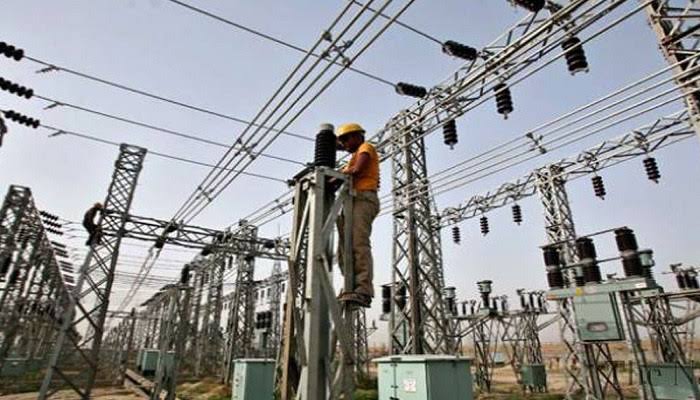
While both parties trade accusations, electricity consumers across the country continue to endure outages. On Thursday, the Enugu Electricity Distribution Company and the Port Harcourt Electricity Distribution Company announced disruptions following a partial national grid collapse that plunged parts of the Southeast into darkness.
Similarly, the Abuja Electricity Distribution Company confirmed a scheduled power outage in parts of the Federal Capital Territory on Friday.
The ongoing dispute over legacy debts comes at a time when many Nigerians remain frustrated by erratic electricity supply, raising fresh concerns about the stability of the nation’s power sector.